
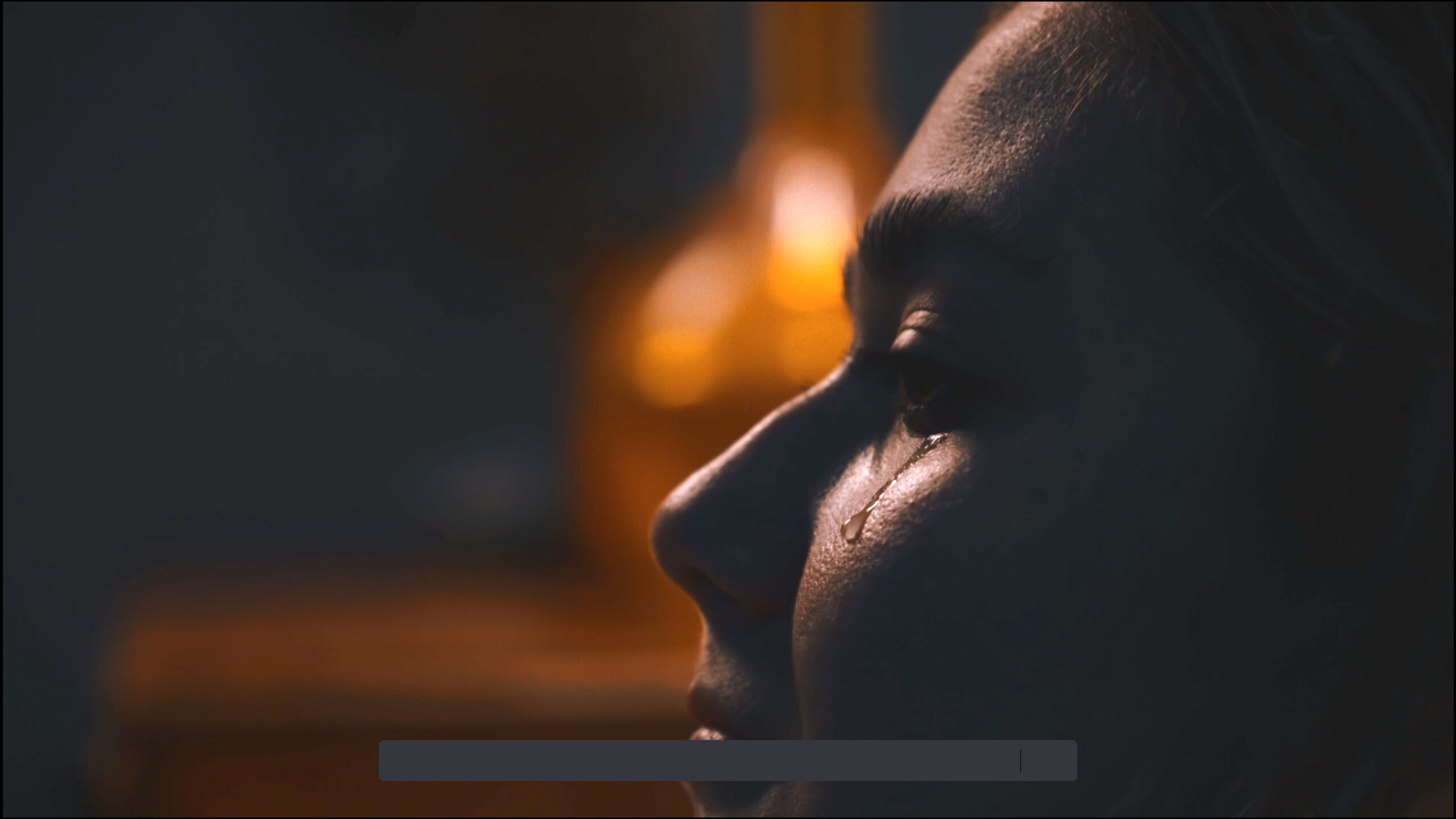
"She said no. That should have been the end of it."
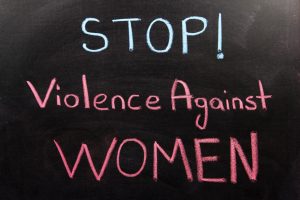
A message from Fatal Obsession, the first episode of a true crime series centered on Gender Based Violence and Femicide (GBVF). The message brings the public to a zone of uncomfortable debate on the terrifying entitlement some men feel over women's bodies, choices, and lives. It speaks to the horror of Intimate Partner Violence (IPV) and the wider scale of abuse that women and girls face daily including coercion, stalking, sexual assault, emotional manipulation, and brutal silencing. These various forms of GBVF are often discussed within homes, workplaces, and communities, hence the urgent need for collective efforts to address them.
In the recent past, South Africa has undergone an alarming surge and normalization of GBVF. According to the South African Police Services (SAPS) crime statistics, a total of 13, 453 sexual offences were recorded between January-March 2025. This includes 10,688 rape cases, 1,872 sexual assaults, 656 attempted sexual offences and 236 contact sexual offences. In addition, majority of the victims and survivors of sexual offences are women and girls from GBV hotspots, Gauteng, KwaZulu-Natal, and Western Cape provinces. These figures depict how unsafe it remains to be a woman or a girl in South Africa, a situation that has pushed many individuals to question uncomfortable truths about how society values and fails women and girls at the same time.
South Africa has taken notable steps to address GBVF through policy interventions such as the National Strategic Plan on Gender-Based Violence and Femicide (NSP-GBVF), strengthened sexual offences legislation, and the establishment of specialised GBV courts aimed at improving survivor access to justice. Policy responses, such as the National Strategic Plan on GBVF, risk falling short unless they are matched with an equally urgent cultural shift in how we engage, listen, and respond to victims and survivors of GBVF. Until the public is emotionally and intellectually transformed, policy efforts will continue to meet resistance and inaction.
Learning institutions in South Africa are increasingly embracing the Comprehensive Sexuality Education (CSE) system that aims to equip learners with knowledge, skills, and values to make informed decisions and navigate their sexual and reproductive health safely and responsibly.
Despite all these efforts, the prevalence of GBVF still remains alarmingly high, accentuating the gap between policy and practice, and highlighting the urgent need for deeper cultural transformation and mindset shifts alongside legal reforms. South Africa's national response to GBVF often focuses on laws, enforcement, and justice reforms. But truth is, laws do not stop violence by themselves, culture, norms, and public engagement do. Unfortunately, the public still sees GBVF as something that happens to somebody else, elsewhere. Even with the legal frameworks in place, the lived reality of many South African women remains unchanged; insecure, unsafe, and unheard.
Creative storytelling is often treated as peripheral to justice work and perceived as 'soft' or symbolic and has always played a role in truth-telling and resistance. Television has been used as a powerful advocacy tool that makes people see, feel, and talk. That is exactly what is required to achieve a positive mindset shift in how GBVF is perceived and addressed in communities. In South Africa, public education is increasingly embracing values-based learning, and creative tools like theatre are used to help internalize key lessons around consent and gender equity in ways that resonate deeply with learners.
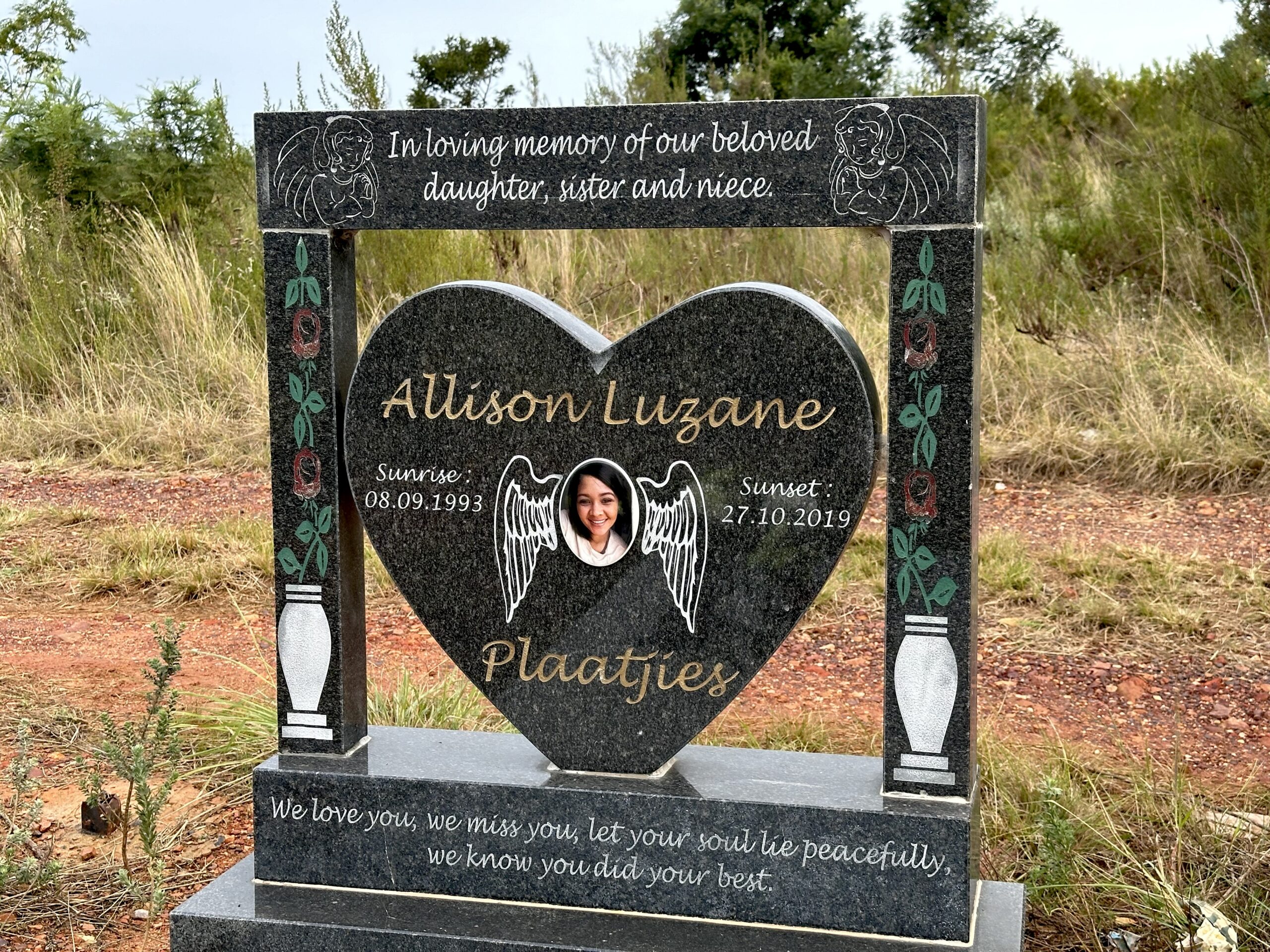
This Women's Month, a compelling new series on femicides called Looking into Darkness with David Klatzow, an independent forensic investigator, will be aired on SABC3 for nine weeks from Wednesday, 6th August at 8:30pm. The true crime series steps into the existing information gap and confronts the public with real-life cases of violence, loss and injustice, and challenging audiences not to look away. The series uses stylized dramatic recreations, interviews with close friends and families, as well as investigating officers, defense lawyers, prosecutors, and insightful experts to document stories of South African women whose lives have been violently and unjustly taken. From a woman murdered for rejecting a man's advances, to a sex worker brutally killed by a celebrated artist. The stories are unfiltered and real, and they echo far beyond the stage. Each performance is grounded in public record and testimonial evidence of GBVF reported cases.
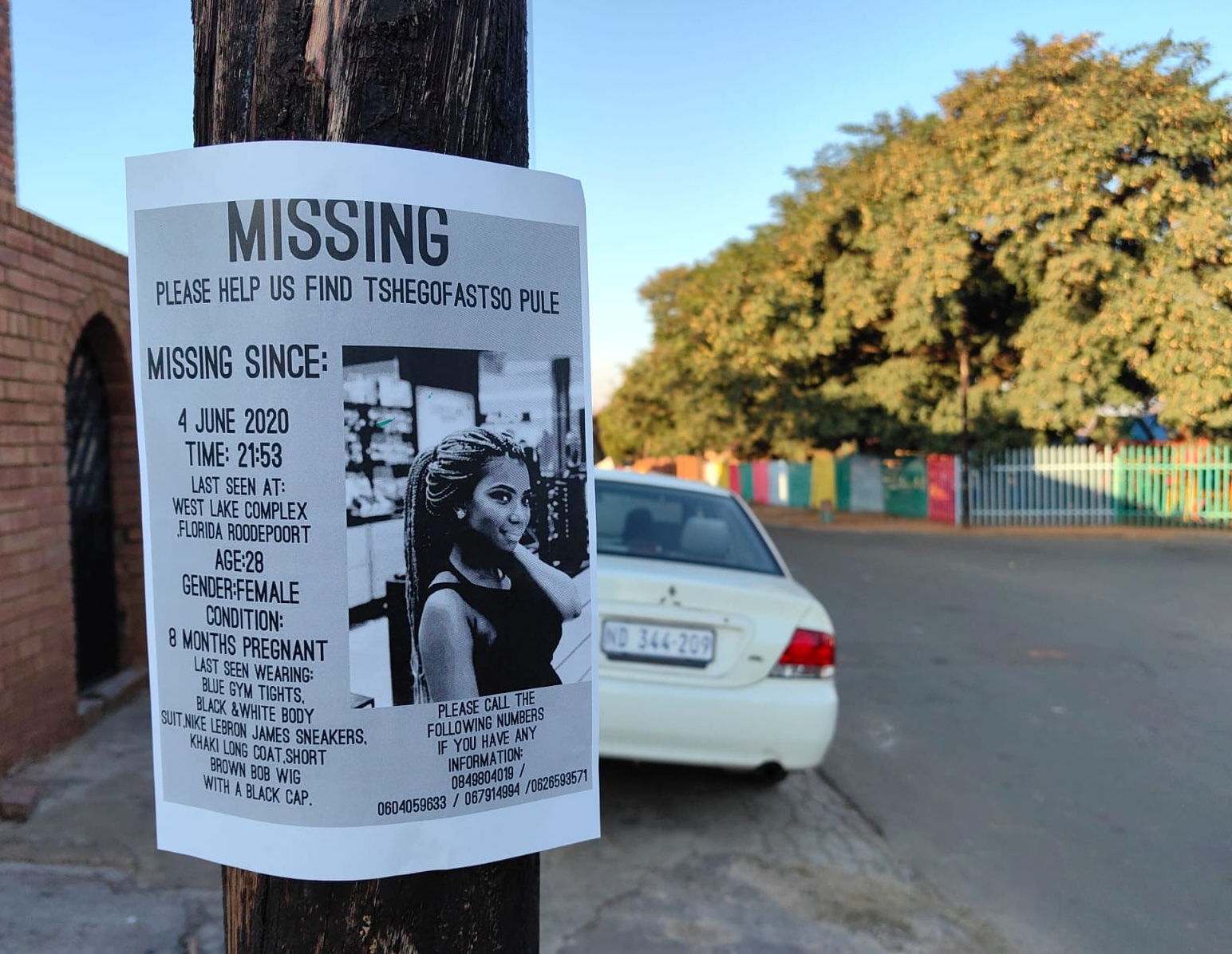
David Klatzow's Looking into Darkness series offers a civic intervention to transform viewers into witnesses, and it does what few government documents can, it makes the public care. What makes these stories powerful is the emotions that they draw, and how they give form to GBV cases often buried in court transcripts and media summaries. The stories also reveal that GBVF is not only a criminal issue but also a cultural and social concern
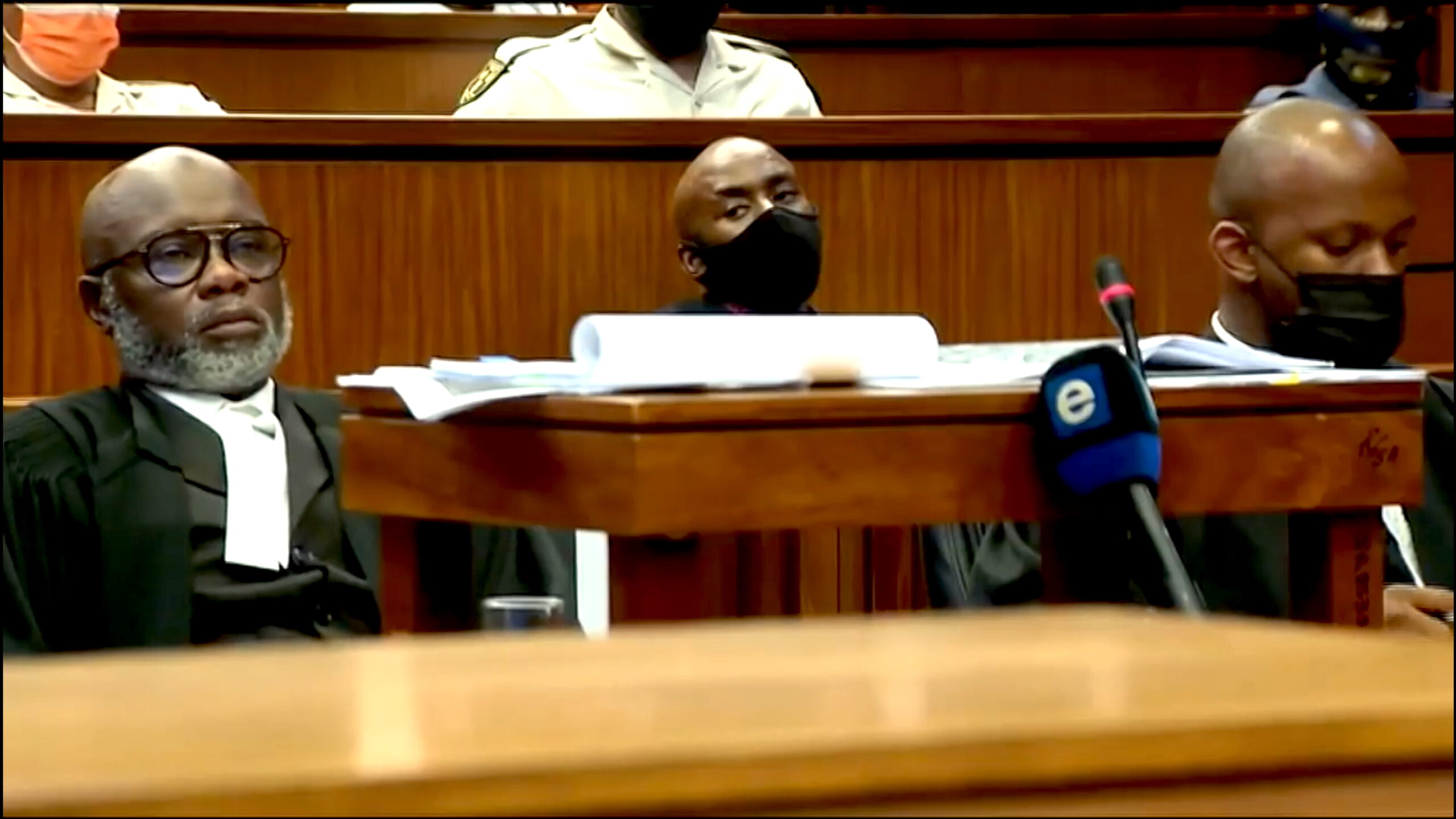
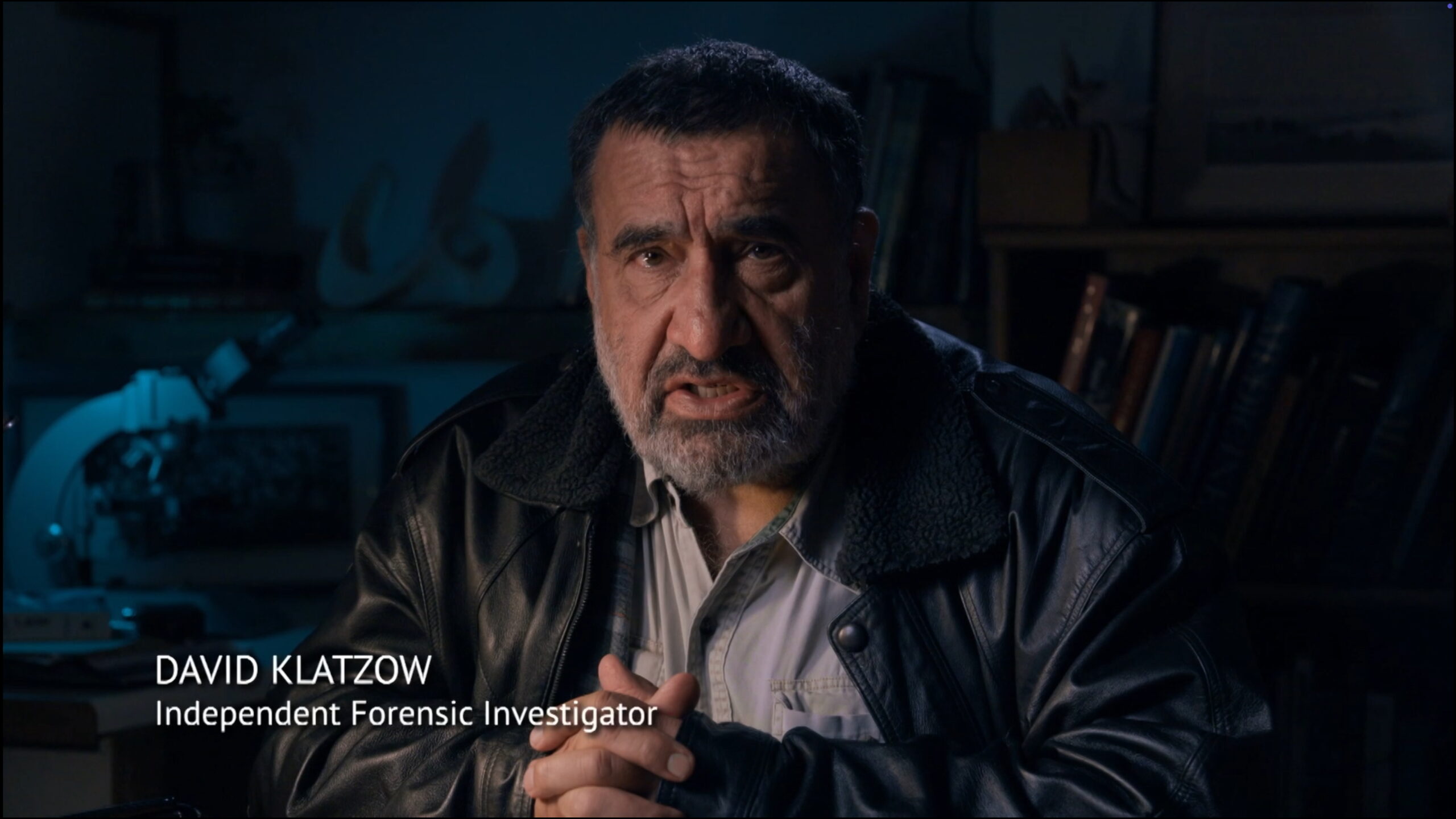
The stories reckon the public to look beyond the media cycle and face the social narratives that underpin violence; "He was such a quiet man." "She should have left." "Sex workers don't deserve protection." Such statements victimize, shame, and re-traumatize GBVF victims and survivors, and create an enabling environment for perpetrators.
This Women's Month, let us reflect and confront our collective failure to effectively address GBVF. There is need for concerted efforts between both state and non-state actors and the public in breaking the GBVF cycle in South Africa. The Department of Women, Youth and Persons with Disabilities (DWYPD) is showing growing interest in the role of creative outreach in GBVF prevention. Moreover, CSVR's scorecard on the localization of the NSP on GBVF is highly ranked.
If South Africa is to turn the tide on GBVF, the public must deliberately do away with culture and practices that normalize violence. The public must stop being enablers of GBVF at both individual, social and community levels. That means starting with the language we use, the stories we tell, the silences we break, and the empathy we ignite by facing our darkest stories and reflecting on changing the narratives.